
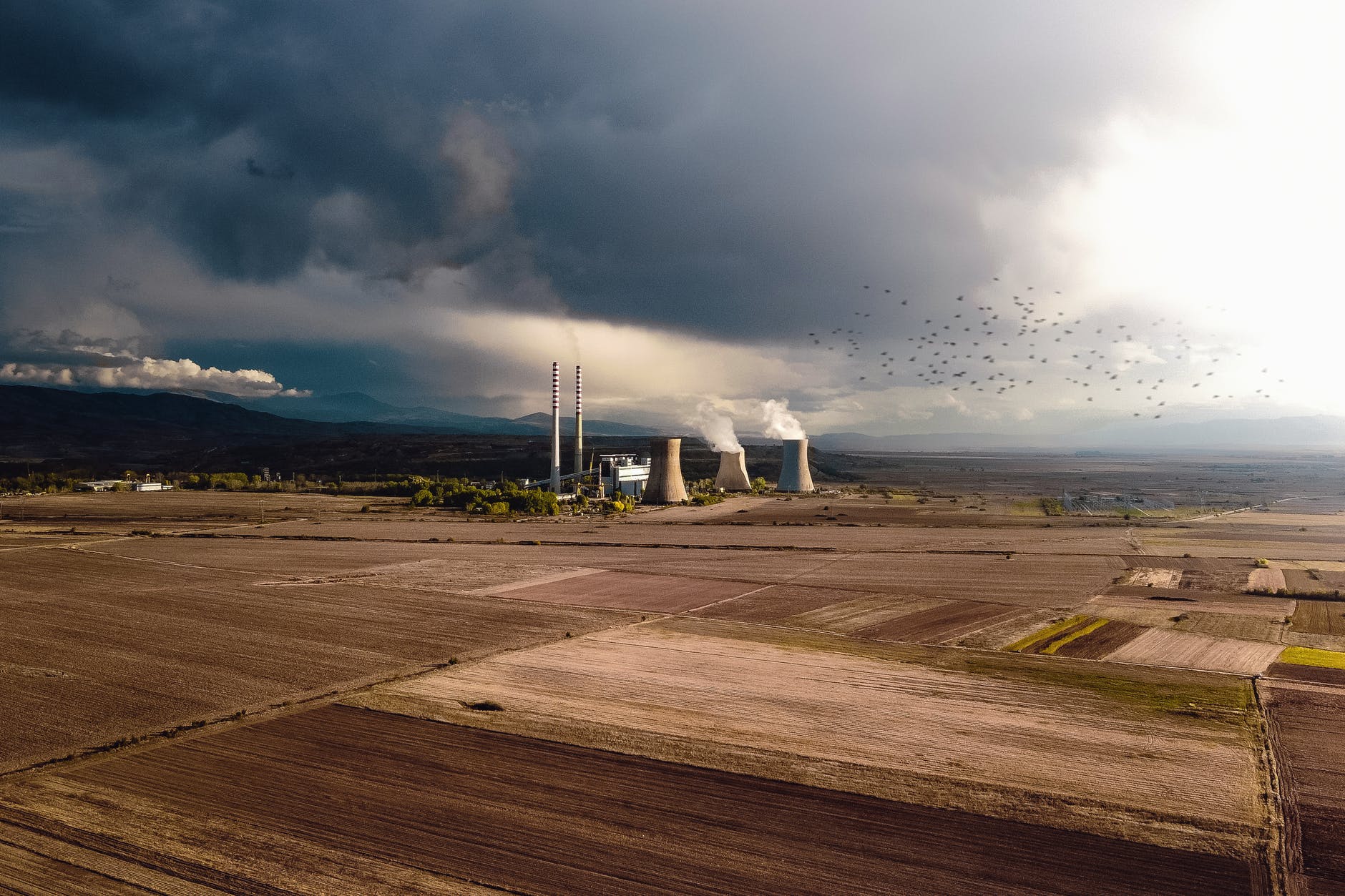
ENERGY TRANSITION – What is it – Why is it necessary?
Many times throughout history, from the prehistoric period (about 10,000 years ago) to the present time, human societies have changed the ways of energy supply and consumption in accordance with needs and available technologies. The common name for such changes is ENERGY TRANSITION. We will briefly describe some of them to illustrate the need for changes in certain periods of history. Of course, the focus will be on contemporary shifts in this domain, which are comprehensive and greater than all the previous ones. At the same time, they are of global character. This chapter is dedicated to them.
What is Energy Transition
In general, it means social and economic transformations caused by the introduction of new ways of obtaining and using energy. Throughout history, from the pre-historic period until now, there have been several such examples, and the most important ones are described below.1
- A unique review of the use of energy throughout the whole history of humanity can be found in Vaclav Smil’s book ENERGY and CIVILIZATION – A History, The MIT Press, Cambridge, Massachusetts, 2017. ↩︎
………………………………………………………………………………………………………………………………………………………………..
Contemporary Energy Transition (ET)
In a general sense it can be defined as a comprehensive process of transforming the global energy system, dominantly based on fossil fuels, into a system that predominantly uses energy sources with a low or zero carbon footprint, in a way that is sustainable (economically and environmentally), reliable, clean, abundant, and widely available. These sources are: RENEWABLE (Hydropower, Biomass, Geothermal, Solar energy, Wind power, Ocean waves) – https://nevara4energy.blog/2024/05/30/renewable-energies/, and NON-RENEWABLE (Nuclear) – https://nevara4energy.blog/2023/06/28/nuclear/.
Special attention should be given to coal, as its impact on climate change surpasses that of other fossil fuels. Although coal does not have the largest share in total fossil fuel consumption (https://nevara4energy.blog/2022/10/25/world-energy-needs/), it emits the most carbon dioxide per unit of energy produced (link to the project).
This is a key contribution to the fight against climate change, but it also contains some other components: a) Global cooperation between countries, agencies, associations, etc., because climate change is a global problem. b) Energy efficiency, with the aim of reducing overall energy consumption. It specifically includes the adoption of energy-efficient and innovative technologies in industries, transport and private consumption in homes and buildings. c) Technological innovations in the energy sector, such as smart grids, innovative management, artificial intelligence (AI). d) Economic incentives, creating new industries and services, new jobs, etc. etc.
………………………………………………………………………………………………………………………………………………………………..
Taking into account the complexity of the processes related to phasing out fossil fuels, as well as the global nature of the ENERGY TRANSITION, each country will implement measures according to its own capacities and needs. Countries that rely predominantly on coal face a particularly difficult challenge. There are however, numerous possibilities in this regard. Here, we present an idea that could be of help to them.
Further details are provided in PROJECT 1 that follows.
 nevara4energy.blog