
An easy way to roughly estimate how long an energy fuel will last is to divide the proved reserves by the current annual production (consumption). The global data are given below together with the results obtained. However, it does not mean that these estimates will be fully valid in the future. Proved reserves, and especially consumption, will be affected by many factors, such as prices, new technologies, the increase in per-capita energy consumption due to living standard rise, world population growth, climate change, etc.

FOSSIL
FACTS ABOUT FOSSILS
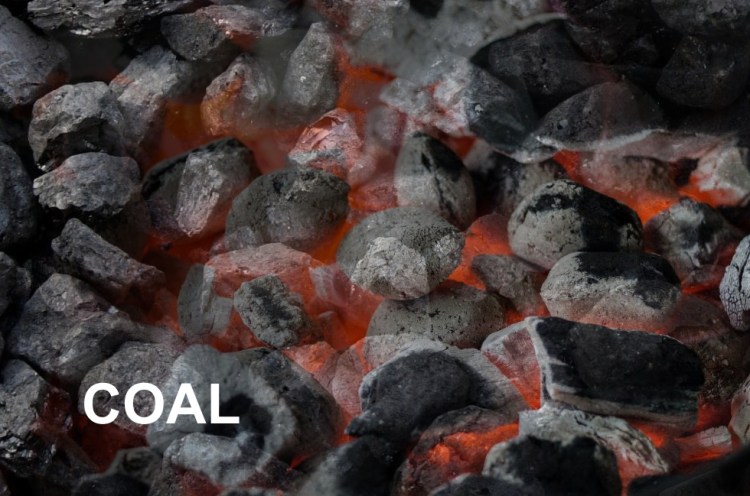
- COAL – WILL LAST UP TO 140 YEARS.
- Coal is much more homogeneously distributed throughout the world than the other two fissile fuels. More than a hundred countries have their own productions.
- Total world proved reserves in 2020 (tonnes) : 1,074,108 million.
- Total world annual production in 2020 (tonnes) : 7,732 million.
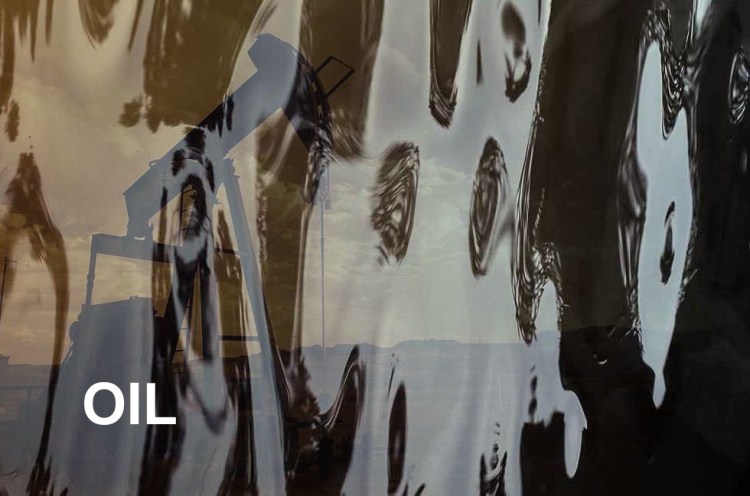
- OIL – WILL LAST UP TO 54 YEARS.
- Total world proved reserves in 2020 (barrel) : 1732.4 billion.
- Annual production in 2020 (barrel) : 32,300 million.
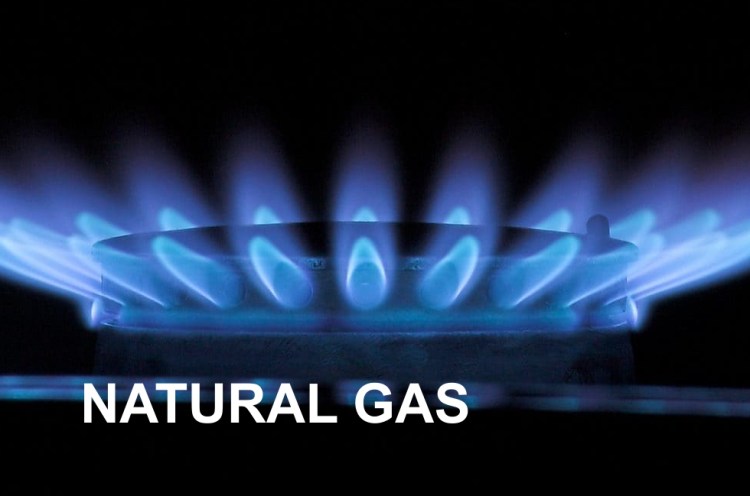
- NATURAL GAS – WILL LAST UP TO 50 YEARS.
- Total world proved reserves in 2020 (cubic meter): 188,100 billion.
- Total world annual production in 2020 (cubic meter) : 3861.5 billion.

NUCLEAR
FISSION
URANIUM STORY
URANIUM HAS BEEN A MAJOR PLAYER AND KEY NUCLEAR MATERIAL FROM THE VERY BEGINNING OF THE NUCLEAR ERA IN 1896 UNTIL TODAY.
- Total world proved resources in 2019 (tonnes) : 6 147 800;
- Total world annual production (from mines) in 2020 (tonnes) : 47 731.
THE OPERATION OF ALMOST ALL POWER REACTORS IN THE WORLD IS CURRENTLY BASED ON THE FISSION OF URANIUM-235.
- Taking that fact into account, a simple calculation (indicated above) shows that uranium would last up to 130 YEARS.
- However, the expected increase in U prices from conventional sources will increase commercial reserves by about 7,600,000 tU, which means that uranium would last for about 200 YEARS.
- In addition to that, considering non-conventional sources (phosphate fertilizers, black shale, coal ash, nuclear weapons, depleted uranium, etc.) uranium could last about 300 YEARS all together.
- The concentration ratio of naturally occurring uranium isotopes is 238U/235U ≈ 140. If only one third of 238U was converted into 239Pu, this would mean at least 10,000 YEARS of global uranium reserves left. PLUS THORIUM.
THORUM
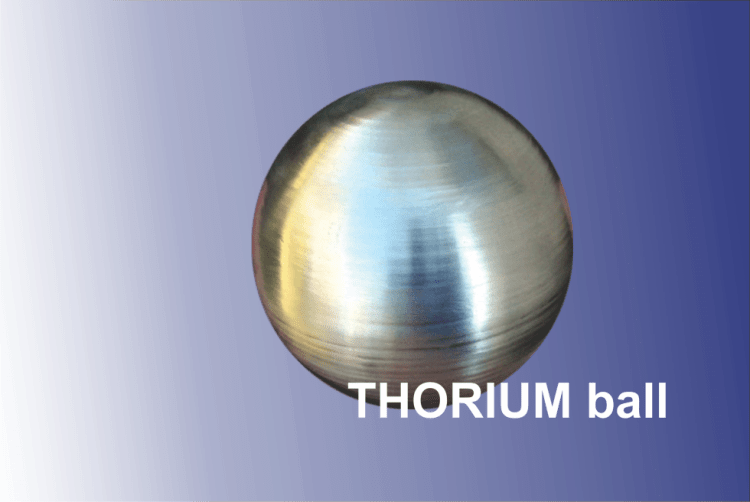
- Thorium occurs in nature as a monoisotopic element (232-Th).
- It is slowly entering the nuclear complex and its importance is now significantly lower than that of uranium. Numerical data on its deposits, production and application are reduced to estimates and are insufficiently reliable.
IMPORTANT – THORIUM IS THREE TIMES MORE ABUNDANT THAN URANIUM IN THE EARTH’S CRUST.
FUSION
DEUTERIUM
- Unlimited reserves (water). This isotope has been produced industrially (as heavy water – D2O) for decades.
TRITIUM
- Must bi produced from naturally occurring lithium isotopes in neutron reactions :
6Li + n → 3H + 4He (+4,8 MeV) 7,42 %,
7Li + n → 3H + 4He + n’ (-2,5 MeV) 92,58 %.
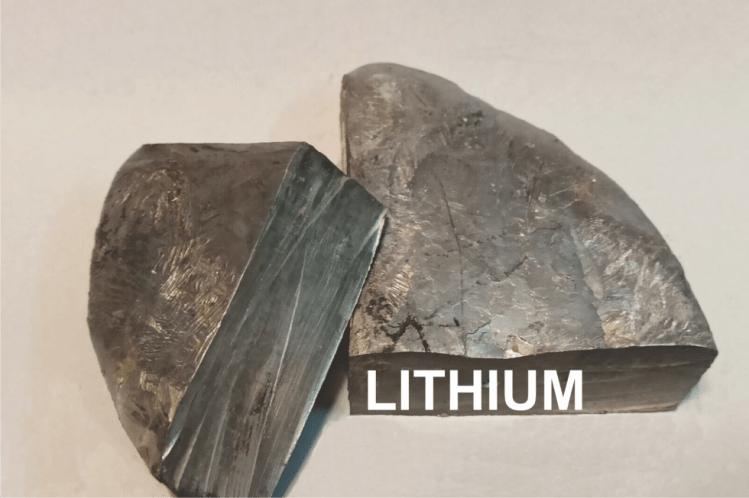
LITHIUM
- Total world proved reserves in 2020 (tonnes) : 18 955 000;
- Total world resources in 2020 (tonnes) : 86 710 000;
- Total world annual production (from mines) in 2020 (tonnes) : 83 070.
It follows that lithium will last up to 230 YEARS or up to 1050 YEARS , depending on whether we make the calculation using proven reserves or resources and assuming the current situation, i.e. that lithium is now mainly used for batteries, but not for fusion.
WHEN THE ERA OF FUSION APPROACHES IT IS CERTAIN THAT ALL ESTIMATES WILL BE SIGNIFICANTLY DIFFERENT.
 nevara4energy.blog